
Experience Bhutan with Respect
Bhutan is a country where tradition, spirituality, nature, and community are deeply woven into everyday life. From ancient monasteries and colourful festivals to traditional architecture and local customs, Bhutanese culture is an important part of the travel experience.
As a visitor, understanding a few simple customs will help you travel respectfully and connect more meaningfully with the people and places you encounter.
Respect for Bhutanese Culture
Bhutanese people take great pride in their cultural heritage. Visitors are encouraged to observe local traditions and treat cultural and religious sites with respect.
A friendly greeting, appropriate behaviour, and genuine interest in local customs can go a long way.
Dress Appropriately
Bhutan generally has a modest dress culture, particularly around monasteries, dzongs, temples and other religious sites.
When visiting these places:
- Wear clothing that covers the shoulders and knees.
- Avoid revealing or excessively casual clothing.
- Remove hats and caps when appropriate.
- Follow any instructions provided by your guide or the site.
- Bring a shawl or light covering when visiting religious places.
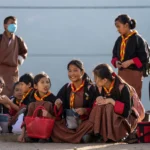
The Bhutanese national dress, Gho for men and Kira for women, is commonly worn for formal occasions and important cultural events.
Visiting Monasteries, Temples & Dzongs
Religious sites are sacred places rather than simply tourist attractions. Take time to observe and appreciate them respectfully.
When visiting:
- Follow your guide’s instructions.
- Speak quietly.
- Remove shoes where required.
- Do not touch religious objects, statues or sacred items unless invited to do so.
- Walk around religious monuments in the appropriate direction.
- Avoid disturbing people who are praying or performing religious activities.
Some areas may have restrictions on photography or filming, so always ask before taking photographs.
Photography Etiquette
Bhutan offers incredible opportunities for photography, but respecting people and sacred places should always come first.
Before photographing:
- Ask permission when photographing individuals, especially monks, children and people in private settings.
- Check whether photography is permitted inside temples and monasteries.
- Avoid using flash where it may disturb religious activities.
- Be discreet during prayers, ceremonies and rituals.
- Respect any signs or instructions prohibiting photography.
A respectful approach often leads to more genuine and memorable interactions.
Festivals & Religious Ceremonies
Bhutan’s festivals, particularly tsechus, are vibrant celebrations of faith, culture and community.
Visitors are welcome to experience these events, but it is important to remember that they are meaningful religious and cultural occasions.
During festivals:
- Dress respectfully.
- Follow the instructions of local authorities and your guide.
- Avoid blocking processions or ceremonial activities.
- Do not interrupt prayers or rituals for photographs.
- Be mindful of local residents and worshippers.
- Keep noise to a minimum during religious ceremonies.
Take the opportunity to observe and appreciate rather than treating the festival simply as a performance.
Greetings & Interactions
Bhutanese people are generally warm and welcoming. A simple smile and polite manner are appreciated.
When meeting someone:
- Greet people politely.
- Be patient and respectful when communicating.
- Avoid overly familiar behaviour with people you have just met.
- Ask before entering private homes or spaces.
- Respect personal space and local customs.
Your guide can introduce you to appropriate local greetings and customs during your journey.
Eating & Dining Etiquette
Food is an important part of Bhutanese hospitality. If you are invited to share a meal, accepting graciously is often appreciated.
When dining:
- Wash or clean your hands before eating where appropriate.
- Wait for others when sharing a meal.
- Avoid wasting food.
- Let your host or guide explain unfamiliar dishes.
- Inform your tour operator in advance about allergies or dietary requirements.
Bhutanese cuisine is known for its use of chilli and cheese, with dishes such as Ema Datshi being particularly popular.
Respect for the Environment
Bhutan places great importance on environmental conservation. Visitors are expected to help protect the country’s pristine landscapes.
Travel responsibly by:
- Avoiding littering.
- Carrying reusable water bottles where possible.
- Using designated waste facilities.
- Staying on marked trails.
- Avoiding damage to plants and wildlife.
- Respecting protected areas and conservation rules.
- Minimising unnecessary plastic use.
Leave Bhutan as you found it—or better.
Respect for Monks & Religious Figures
Monks and religious figures hold an important position in Bhutanese society.
When interacting with monks:
- Speak politely and respectfully.
- Avoid interrupting prayers or religious activities.
- Ask permission before taking photographs.
- Follow your guide’s advice regarding appropriate behaviour.
- Avoid touching religious robes or objects.
Public Behaviour
Bhutanese society generally values modesty and respectful public behaviour.
Visitors should avoid:
- Loud or disruptive behaviour in public places.
- Aggressive or confrontational conduct.
- Disrespectful behaviour at religious sites.
- Public displays of affection that may make others uncomfortable.
- Damaging public or cultural property.
Being considerate of local communities helps create a positive experience for everyone.
Respect Local Communities
Many Bhutanese travel experiences take place in rural villages and communities. When visiting these areas, remember that you are entering people’s homes and communities.
Be respectful by:
- Asking before entering private property.
- Asking permission before photographing people or homes.
- Avoiding unnecessary noise.
- Supporting local businesses and artisans.
- Purchasing locally made products where possible.
- Following your guide’s advice.
A respectful visit can create meaningful connections between travellers and local communities.
Religious Objects & Sacred Places
Bhutan is a deeply spiritual country, and religious objects can have significant meaning.
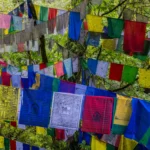
Never casually move, touch, climb on, or sit on religious monuments or objects. Prayer flags, stupas, mani walls, prayer wheels, statues and other sacred objects should always be treated with respect.
When in doubt, ask your guide before touching or doing anything unfamiliar.
Responsible Travel in Bhutan
Travelling responsibly is one of the best ways to experience Bhutan.
Choose experiences that benefit local communities, respect cultural traditions, protect the environment, and contribute to the preservation of Bhutan’s heritage.
Your visit can be more than a holiday—it can be an opportunity to learn, connect and help protect the places and traditions you came to discover.