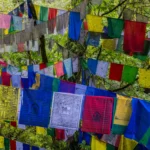

Bhutan is a year-round destination, with every season offering a different way to experience the kingdom. From colourful spring festivals and blooming rhododendrons to clear autumn skies, lush summer valleys, and peaceful winter landscapes, the best time to visit Bhutan depends on what you want to see and do.
Whether you are interested in trekking, cultural festivals, nature, photography, wildlife, or simply experiencing Bhutan at a relaxed pace, each season has something special to offer.
Spring — March to May
Spring is one of the most beautiful times to visit Bhutan. The valleys come alive with colourful flowers, including Bhutan’s famous rhododendrons, while the weather is generally pleasant and comfortable.
Weather
Temperatures vary considerably depending on altitude and location. Lower valleys are generally mild and warm during the day, while higher elevations remain cooler.
Spring typically brings:
- Pleasant daytime temperatures
- Increasingly clear skies
- Blooming rhododendrons and other wildflowers
- Fresh green landscapes
- Cooler mornings and evenings
Highlights
Spring is particularly appealing to nature lovers and photographers. Mountain valleys become vibrant with flowers, forests turn green, and the countryside offers excellent opportunities for scenic walks and cultural exploration.
Spring is also an important festival season in Bhutan, with colourful tsechus and religious celebrations taking place in different parts of the country.
Best for: Flowers, festivals, photography, sightseeing, cultural experiences and nature.
Summer — June to August
Summer coincides with Bhutan’s monsoon season. Rainfall is more frequent, particularly in southern and lower-altitude areas, but the rain also transforms the country into a lush and vibrant landscape.
Weather
Summer is generally:
- Warm and humid
- Green and lush
- Rainy, particularly during the monsoon
- Cooler in the mountains
Rainfall can sometimes affect road conditions, flights, and trekking routes, so travellers should allow some flexibility in their plans.
Highlights
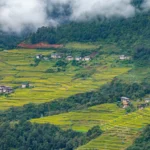
The biggest attraction of summer is Bhutan’s spectacular greenery. Forests, valleys and rice fields become intensely green, creating beautiful scenery for travellers who don’t mind occasional rain.
There are also fewer visitors compared with the peak spring and autumn seasons, making summer appealing for travellers looking for a quieter experience.
Best for: Lush landscapes, fewer crowds, photography, cultural exploration and relaxed travel.
Autumn — September to November
Autumn is widely regarded as one of the best times to visit Bhutan. The monsoon gradually gives way to clearer skies, comfortable temperatures and excellent mountain visibility.
Weather
Autumn generally offers:
- Clear blue skies
- Pleasant daytime temperatures
- Cool mornings and evenings
- Lower humidity
- Excellent mountain views
The weather is particularly favourable for outdoor activities and sightseeing.
Highlights
Autumn is an excellent season for trekking and hiking, with clearer mountain views and generally favourable conditions.
It is also a major festival season, with colourful religious festivals and cultural celebrations taking place across the country.
The combination of clear skies, beautiful landscapes, comfortable temperatures and cultural festivals makes autumn a popular choice for first-time visitors.
Best for: Trekking, hiking, mountain views, photography, sightseeing and festivals.
Winter — December to February
Winter brings cooler temperatures and a quieter atmosphere to Bhutan. While higher-altitude areas can become very cold and receive snow, many lower valleys remain accessible and can offer crisp, sunny days.
Weather
Winter is generally characterised by:
- Cold mornings and nights
- Crisp, clear skies
- Sunny days in many lower valleys
- Snowfall at higher elevations
- Very cold conditions in high-altitude areas
Packing warm layers is essential, particularly if you plan to travel to higher elevations.
Highlights
Winter is an excellent choice for travellers who prefer fewer crowds and peaceful landscapes. The clear winter skies can provide spectacular views of the Himalayan mountains.
It can also be a rewarding time to experience Bhutanese culture and local life at a slower pace.
Best for: Fewer crowds, photography, clear skies, cultural experiences and peaceful travel.
Best Time for Festivals
Bhutan’s tsechus and other traditional festivals are among the country’s most memorable experiences. Festivals take place throughout the year, with the exact dates changing annually according to the Bhutanese lunar calendar.
Spring and autumn are particularly popular festival seasons, but smaller local celebrations take place throughout the year.
If attending a particular festival is important to you, plan your itinerary around its specific annual dates rather than choosing a season alone.
Best Time for Trekking
For most high-altitude treks, spring and autumn generally offer the most favourable conditions.
Spring brings blooming flowers and warming temperatures, while autumn often provides exceptionally clear mountain views.
Trekking conditions can vary significantly depending on altitude, route and weather, so always check current conditions and consult a qualified local guide before setting out.