Tsechu Festivals of Bhutan
Tsechu festivals are Bhutan’s most vibrant and sacred religious celebrations, deeply rooted in the country’s spiritual and cultural heritage. Held annually across various districts, tsechus commemorate Guru Rinpoche (Padmasambhava), the great Buddhist master who introduced Vajrayana Buddhism to Bhutan in the 8th century. These festivals serve as a time for spiritual cleansing, communal gathering, and artistic expression, drawing both locals and visitors to witness the country’s rich traditions.
The Significance of Tsechu
Attending a tsechu is considered a meritorious act that brings spiritual blessings, removes past sins, and strengthens one’s connection to Buddhism. Bhutanese people travel long distances from remote villages to attend, as witnessing the festival’s sacred rituals is believed to ensure good fortune, protection, and prosperity.
Beyond religious significance, tsechus play a crucial role in preserving Bhutan’s culture. They showcase ancient masked dances (cham), elaborate costumes, religious songs, and storytelling, passing down Bhutanese history and Buddhist teachings through performing arts.
Key Features of Tsechu Festivals
1. Cham Dances (Masked Dances)
The highlight of every tsechu is the sacred cham dances, performed by monks and lay dancers in colorful costumes and elaborate masks. These dances, accompanied by traditional music and chanting, tell stories of Buddhist teachings, the triumph of good over evil, and moral lessons. Some well-known cham dances include:
• Shinjé Yab-Yum (Lord of Death Dance): Symbolizing the afterlife and judgment of souls.
• Guru Tshengye (Eight Manifestations of Guru Rinpoche): Depicting Guru Rinpoche’s life and teachings.
• Raksha Mangcham (Dance of the Judgment of the Dead): A dramatic portrayal of karma, where King Yama, the Lord of Death, decides the fate of souls.
These dances are not mere performances; they are considered spiritual blessings that cleanse negative energies, protect against misfortune, and bring good fortune to those who witness them.
2. Unfurling of the Thongdrel
One of the most sacred moments of a tsechu is the unveiling of the Thongdrel, a gigantic silk applique thangka (sacred tapestry) featuring Guru Rinpoche, Buddha, or other revered deities. The Thongdrel is displayed only for a few hours at dawn on the final day of the festival. It is believed that just seeing the Thongdrel washes away one’s sins and grants immense spiritual merit.
3. Pilgrimage and Community Celebration
Tsechus are also social gatherings where Bhutanese people dress in their finest traditional attire, enjoy Bhutanese cuisine, and spend time with family and friends. Many make pilgrimages to the festival, offering butter lamps and prayers. The atmosphere is lively, with local markets selling handicrafts, religious items, and traditional food.
Famous Tsechu Festivals in Bhutan
1. Paro Tsechu (Held in March/April)
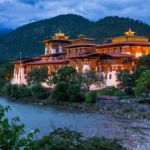
One of the largest and most popular tsechus, celebrated at the majestic Rinpung Dzong in Paro. It features mesmerizing cham dances, the unveiling of the Thongdrel, and a gathering of thousands of devotees and tourists.
2. Thimphu Tsechu (Held in September/October)
Held at the Tashichho Dzong, this is the biggest festival in the capital and one of the most vibrant in Bhutan. The festival features three days of sacred dances, religious blessings, and lively community celebrations.
3. Punakha Tsechu (Held in February/March)
Unique for its Pazap Procession, which reenacts the ancient battles against Tibetan invaders. Held in the beautiful Punakha Dzong, this tsechu blends history, religion, and Bhutanese warrior traditions.
4. Bumthang Jambay Lhakhang Drup (Held in October/November)
Known for the Mewang (Fire Blessing Ceremony), where devotees pass under a blazing arch of fire to cleanse their sins. This tsechu is one of the oldest in Bhutan, held at Jambay Lhakhang, a 7th-century temple.
5. Trongsa Tsechu (Held in December/January)
Celebrated at the majestic Trongsa Dzong, the ancestral home of Bhutan’s monarchy. This tsechu is known for its deep spiritual atmosphere, featuring ancient rituals and traditional Buddhist ceremonies.
Why You Should Experience a Tsechu Festival?
Attending a tsechu is a once-in-a-lifetime experience that offers a deep insight into Bhutan’s spiritual essence, cultural richness, and artistic heritage. Whether you come as a pilgrim seeking blessings or as a traveler eager to immerse in Bhutanese traditions, a tsechu festival is an unforgettable journey into the heart of Bhutan’s living Buddhist culture.